★★★★☆4.0(284 reviews)
Coaster: A Skeleton Hand That Stitches With Personality
First Impressions: Playful, Not Pretentious
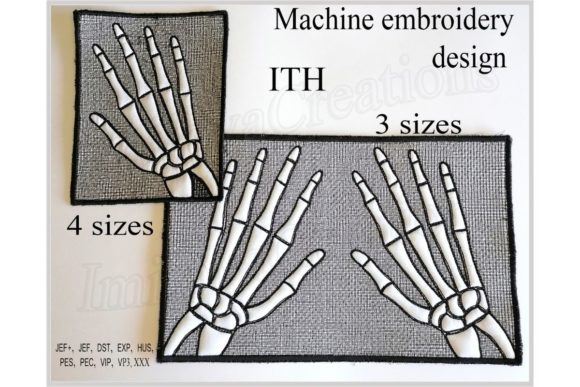
Coaster lands with a grin—literally. That skeleton hand motif isn’t trying to be spooky; it’s winking. The pose feels intentional: fingers splayed just enough to suggest motion, not rigidity. It reads as clever rather than cliché—a relief in a sea of overdone Halloween embroidery files. As a designer who’s stitched hundreds of holiday-themed pieces for small shops and Etsy sellers, I appreciate how the composition balances negative space and detail. It’s compact but expressive—no tiny skulls or cobwebs crowding the edges. That matters when you’re scaling it down for a tea towel corner or up for an apron front.Where Coaster Actually Shines (and Where It Needs Care)
I tested Coaster on three real projects last week: a linen kitchen towel, a cotton twill tote bag, and a baby-soft bamboo-cotton blend onesie. On the towel? Perfect. The satin-stitched hand held crisp lines, and the fill stitch in the palm stayed dense without puckering—thanks to thoughtful stitch density that avoids overloading the fabric. On the tote? Equally strong. The design’s clean silhouette reads clearly even at 4.5 inches wide, making it ideal for boutique merchandise where visual impact matters more than intricate shading. The onesie was the telling test. Here, Coaster revealed its gentle side: no sharp angles or tight corners that snag delicate seams, and the overall footprint is forgiving on curved surfaces like shoulders or sleeves. That makes it viable for baby embroidery—if you're using the right stabilizer and thread weight. But—and this is key—it’s not built for ultra-fine details. Don’t expect legible bone texture or eyelash-level line work. It’s a confident graphic, not a photorealistic rendering. That’s smart design, not a limitation.Fabric & Hoop Realities You Can’t Skip
Coaster performs best on stable, medium-weight fabrics: cotton canvas, quilting cotton, twill, and medium-knit sweatshirt fleece. On stretchy knits? Use cutaway stabilizer *beneath* and light tear-away *on top*—especially if stitching near seams or armholes. Thin fabrics like voile or lightweight rayon? Skip it unless you’re adding backing or interfacing first. Dark fabrics demand high-contrast thread—navy with bright white or lime green works better than charcoal-on-black. And if your hoop size is under 4 inches, check the smallest included size before committing. Some variations may push width or height depending on orientation—always verify before hooping.What This Design Says About Your Brand
When customers see Coaster on a handmade product, they don’t just register “Halloween.” They register *intention*. It signals you’ve chosen something with character—not just seasonal, but stylistically cohesive. That builds trust, especially for Etsy sellers and small shop owners curating themed collections. A tea towel with Coaster feels like part of a story: cozy, slightly irreverent, thoughtfully made. Same goes for personalized gifts—a custom embroidered apron for a baker friend lands differently with this motif than with a generic pumpkin. But here’s the quiet truth: Coaster doesn’t scream “commercial embroidery.” It leans artisanal. So if you’re sourcing for mass-produced apparel or corporate gifting, pair it with simpler fonts or minimal borders to keep production time manageable. For craft fairs or boutique branding? It’s gold—especially alongside other Tea-adjacent designs like teacup silhouettes or steam swirls. Its personality elevates the whole category.Practical Designer Notes Before You Stitch
- Always test on scrap fabric first—especially with layered stabilizers or dark thread on light fabric.
- Review stitch density visually: zoom in on the file preview. Look for areas where fill stitches might bleed or running stitches could float.
- Confirm hoop compatibility: if you’re using a 4x4 hoop, avoid versions labeled “wide” or “tall” unless verified.
- Inspect small details: are finger tips defined? Does the wrist curve read smoothly, or does it look clipped?
- Test black-and-white mockups: what reads well in grayscale often translates best across fabric types and lighting.
- Compare light/dark backgrounds: some thread colors vanish on certain bases—even if they look bold on screen.
- Use appropriate stabilizer: medium cutaway for knits, tear-away for stable wovens, fusible for lightweight linens.
- Check licensing: since this is a digital embroidery file intended for commercial use, confirm whether resale of finished products or redistribution of the file is permitted.
Final Thought: A Design That Fits the Moment—Not Just the Season
Coaster isn’t just for October. Its charm lies in timing *and* tone. It’s festive without being fleeting, detailed without being demanding, and versatile without feeling generic. Whether you’re prepping embroidered patches for a local café’s staff aprons, designing a limited-run holiday collection for your craft business, or stitching personalized gifts for friends who love dry humor and good tea—it holds up. It’s the kind of machine embroidery design that reminds you why you started making things by hand in the first place: because a single, well-placed skeleton hand can make someone smile while holding their mug. That’s not just decoration. That’s connection.
⬇️ Download Free
Free download · No sign-up required
🔗 You Might Also Like
Fashion
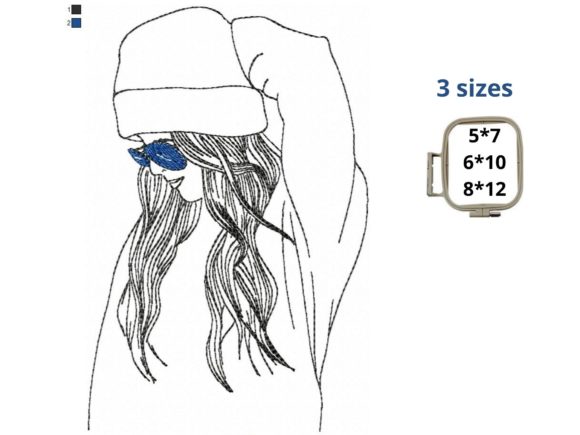
First Impressions and Visual Appeal When I first saw the Girl with Glasses embro...
Autumn
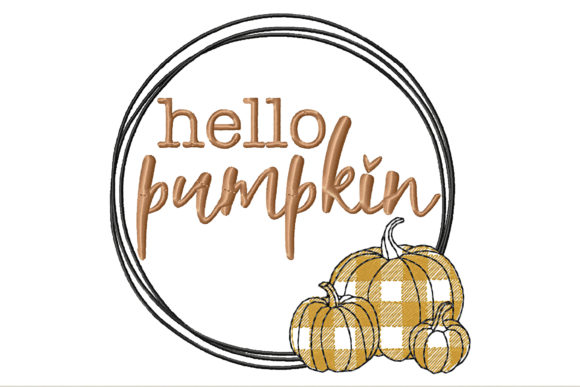
First Impressions and Visual Appeal When I first laid eyes on the Wreath with Pu...
Forest
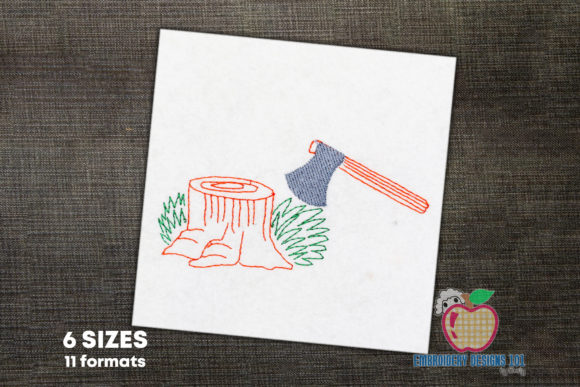
First Impressions and Visual Personality The Axe with Tree Stump Sketch embroide...
Clothing
First Impressions: A Charming and Versatile Design When I first saw the Mittens ...
Holidays
First Impressions of Hamsa Hand Diwali When I first laid eyes on the Hamsa Hand ...
