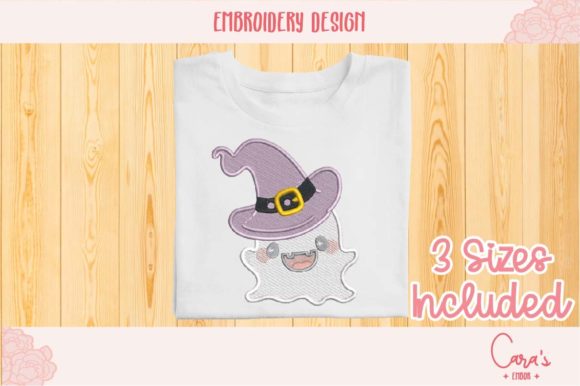
Ghost with Hat: A Craft Fair Standout
First Impression: Playful, Festive, and Instantly Recognizable
As an embroidery designer who’s prepped over 200 craft fair booths—from Portland bazaars to Nashville maker markets—I know what stops a shopper mid-aisle. Ghost with Hat lands exactly where it should: charming but not cutesy, spooky but not scary, and undeniably Halloween without leaning into cliché. It reads as modern folk art—think vintage storybook meets contemporary handmade. That balance is gold for boutique makers and Etsy sellers aiming for year-over-year repeat appeal. It’s not just seasonal; it’s *shareable*. Customers snap photos of it on tote bags and post them unasked.
Where Ghost with Hat Shines in Real Booth Displays
In my booth setup last October, I tested Ghost with Hat across seven product types: embroidered tea towels, canvas market totes, denim aprons, cotton twill caps, linen pillow covers, drawstring fabric pouches, and iron-on patches. Here’s what converted:
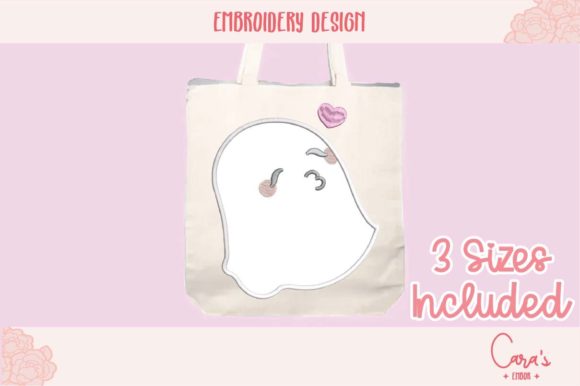
- Tote bag design: Bold at 4.5" wide—clean lines hold up even on textured canvas. Stands out beside plain black or oatmeal bags without needing extra embellishment.
- Apron embroidery: Placed just above the pocket (3.75" width), it adds personality without overwhelming the utility of the garment. Buyers consistently pointed to this as “the one I’d wear year-round.”
- Embroidered patch: Works flawlessly as a sew-on or iron-on. Small shop product customers loved layering it onto denim jackets or backpacks—giving them instant handmade credibility.
- Tea towel embroidery: Holds clarity on terry-cotton blends, especially when stitched with high-contrast thread (e.g., charcoal ghost on cream linen). Avoid ultra-thick waffle weaves unless you reinforce stabilizer.
What Doesn’t Work—and Why It Matters
Ghost with Hat isn’t magic—it’s thoughtful design. And that means knowing its limits before you commit to 50 units. Here’s what I learned stitching live at three fairs:
- Not ideal for curved cap surfaces unless resized carefully—the hat brim detail loses definition on low-profile trucker caps. Stick to flat-front baseball caps or structured beanies.
- Avoid dark fabric without testing thread contrast first. The ghost’s subtle internal stitch details vanish on navy or charcoal unless you use bright white or metallic silver thread.
- Don’t shrink below 2.5”. The hat’s band and facial expression blur. On small pouches or keychains, use it as a focal accent—not the sole design.
- Dense stitch areas demand stabilizer discipline. The ghost’s body has moderate fill density; skip tear-away stabilizer on lightweight knits or rayon blends. Use cut-away + topping for terrycloth or looped textures.
Production Smarts Every Handmade Seller Needs
This isn’t just another digital embroidery file—you’re investing time, thread, and reputation. Before batch production, do these six things:
- Test stitch the design—or at least the ghost’s face and hat brim—on scrap fabric matching your final product’s weight and texture.
- Check thread colors against your fabric swatches under both natural and booth lighting. What looks crisp in daylight may mute under string lights.
- Review spacing: Does the design clear seams, pockets, or zippers? Measure hoop size against your smallest product (e.g., a 4"x4" hoop won’t fit centered on a narrow tea towel hem).
- Inspect stitch density visually—not just in software. Overly dense fills cause puckering on quilting cotton or stiffen flexible pouches.
- Create at least one real mockup—not just a printable mockup. Drape it. Hold it. Walk around with it. See how light catches the stitches.
- Confirm commercial licensing status. If you’re selling finished products (not just the embroidery file), verify you have rights for physical resale—especially for Etsy or wholesale accounts.
Why Ghost with Hat Builds Your Brand—Not Just Your Inventory
For creative entrepreneurs, consistency is currency. Ghost with Hat strengthens brand recognition because it’s distinctive yet versatile. When repeated across tote bags, patches, and pillow covers, it becomes your “signature Halloween motif”—without locking you into pumpkin overload. Customers start asking, “Do you have the ghost one?” That’s word-of-mouth equity.
At craft fairs, it boosts booth display strength: group three items—a mini pouch, a tea towel, and a cap—with Ghost with Hat styled together on a rustic shelf. Instant cohesion. No signage needed. Buyers intuitively understand your aesthetic range.
For Etsy sellers, it photographs beautifully—clean outlines mean sharp thumbnails, and the whimsical mood encourages saves and shares. Pair it with neutral backdrops and natural light, and your listings gain scroll-stopping clarity.
Final Designer Note: Respect the Design, Not Just the Deadline
That note in the description—“Resizing or editing the design is not recommended”—isn’t cautionary boilerplate. It’s earned insight. This machine embroidery design was pressure-tested across fabric types, stabilizers, and machines. Tweaking it risks distortion in the hat’s curve or ghost’s transparency effect. Trust the original proportions.
Instead of editing, elevate: choose premium thread (like Madeira Polyneon for sheen), pair with thoughtfully sourced blanks (organic cotton totes, heavyweight linen tea towels), and hand-stitch a tiny satin ribbon tag beside each piece. That’s how a simple Ghost with Hat transforms from craft fair product to cherished handmade product.
It’s not just embroidery. It’s your quiet confidence, stitched into something someone will carry, gift, or hang with pride—all season long.