Top Hat Embroidery Design Review
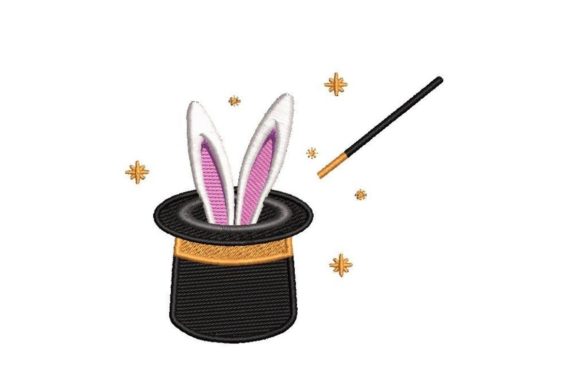
As an experienced embroidery designer, I recently had the opportunity to review the Top Hat machine embroidery design. This design, which falls under the Accessories category and is specifically tailored for Embroidery use, presents a unique opportunity for small businesses looking to add a touch of character to their branded merchandise.
First Impressions of Top Hat
The moment I saw the Top Hat design, it struck me as both playful and classic. The name itself evokes imagery of whimsy and tradition, making it a versatile choice for a wide range of brands. The description mentions that it can be sewn onto "your favorite type of fabric," which suggests a level of adaptability that’s essential for commercial embroidery projects.
This design feels more like a handmade product than a mass-produced item, with a sense of charm that could easily resonate with customers who appreciate artisanal touches. It's not overly bold or rustic, but rather balanced—something that could work well as a brand identity element across various mediums.
Real Business Use of Top Hat
When considering how Top Hat might be used in real-world scenarios, the possibilities are quite varied. For instance, it could serve as an embroidered patch on staff uniforms, adding a subtle yet recognizable detail. In a boutique setting, it could function as a chest logo accent on custom apparel, giving employees a consistent visual presence.
For a local bakery or café, this design could be integrated into cap embroidery, creating a uniform look among staff while also serving as a customer gift when given out as promotional items. Additionally, the Top Hat could be used on tote bag design elements, enhancing the product packaging accents and reinforcing brand recognition.
It's also worth considering the use of this design in apron embroidery for a handmade shop or creative studio. The playful nature of the Top Hat would complement the artistic vibe of such environments. For Etsy sellers and merch creators, this design could be a valuable design asset that adds value to their small business merch.
Where to Use Top Hat with Caution
While the Top Hat offers a lot of potential, there are certain applications where it should be used carefully. For example, when working with small patch sizes, the details may become too intricate or lose clarity. Similarly, placing it on cap fronts or curved surfaces may require additional adjustments to ensure it looks polished.
High stitch density and detailed outlines could also pose challenges if the fabric texture is rough or if the design needs to be washed frequently. It's important to test the embroidery file on different fabrics and consider using the right stabilizer to prevent puckering or distortion.
Impact on Brand Identity and Customer Engagement
Incorporating the Top Hat into your brand's visual elements can significantly enhance brand identity. Its playful yet classic appeal makes it suitable for businesses that want to convey a sense of fun without losing professionalism. Whether it's on custom apparel, event merch, or product packaging accents, the Top Hat can help create a cohesive and memorable brand image.
From a customer engagement standpoint, this design has the potential to increase buyer engagement by offering a unique and visually appealing element that stands out from generic logos. It can also elevate the product value of your handmade product, making it more attractive to consumers who appreciate attention to detail.
Practical Embroidery Designer Notes
Before finalizing the use of Top Hat for any commercial project, here are some practical steps to take:
- Test it in black and white first to see how the design translates on different colors and fabrics.
- Check if it works at small patch size to ensure it remains legible and retains its charm.
- Review thread color contrast to make sure it complements your brand colors effectively.
- Inspect spacing to avoid overcrowding or distortion during stitching.
- Confirm hoop size to ensure compatibility with your embroidery machine.
- Test on real fabric before committing to large production runs.
- Use proper stabilizer to maintain the integrity of the design on textured fabrics.
- Create a printable mockup for client approval and to visualize the final finished product.
- Compare it beside other design assets to ensure visual consistency across your branding materials.
- Confirm commercial licensing before using the digital embroidery file for business purposes.
By following these steps, you can ensure that the Top Hat is used effectively and professionally in your commercial embroidery projects. Remember, the success of any embroidered design depends not just on its visual appeal, but also on how well it integrates with your overall brand strategy and the practical considerations of production.